Published - 8 Hours Ago
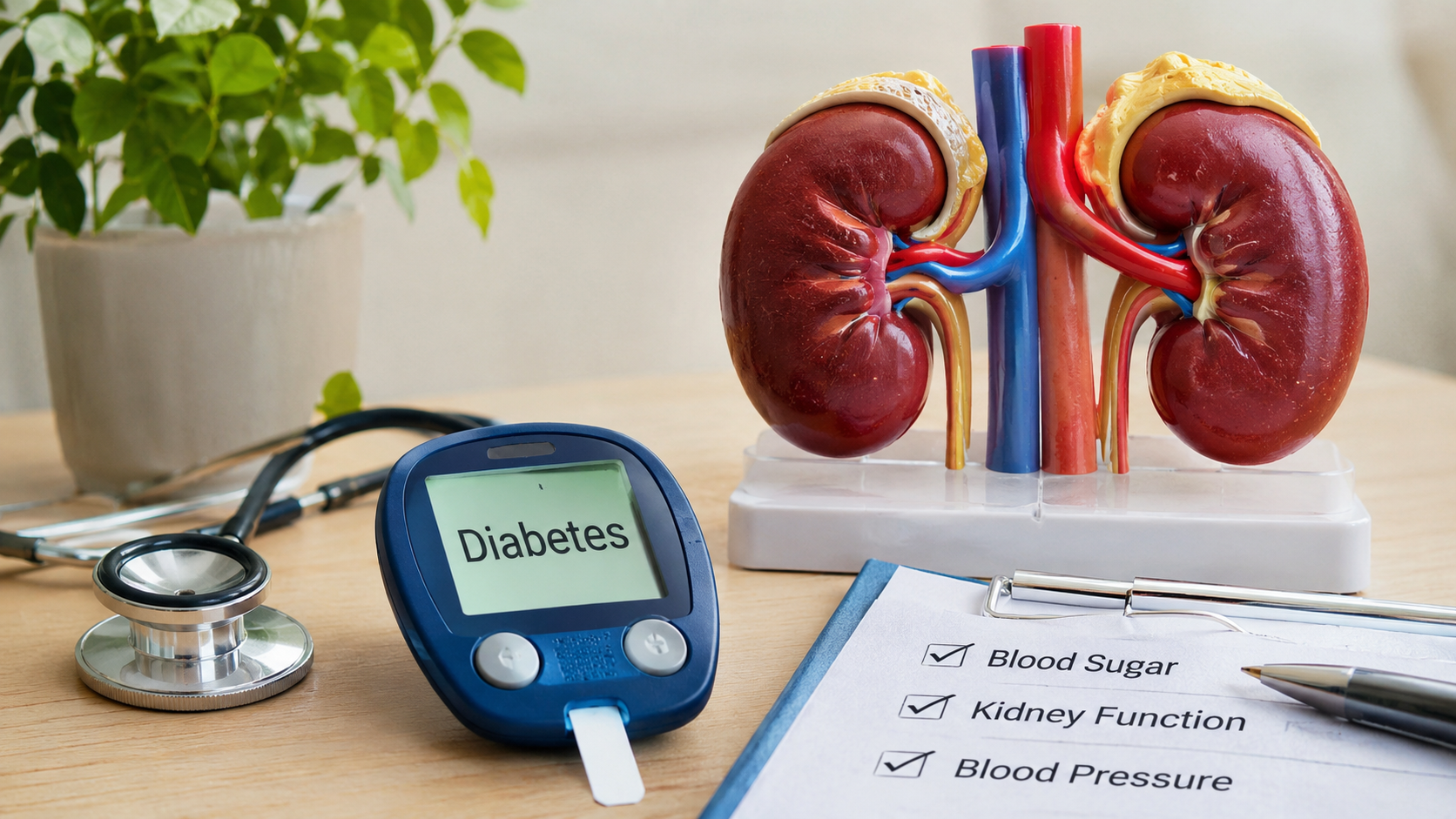
Beyond Blood Sugar: The Hidden Connection Between Diabetes and Kidney Disease
Diabetes is often associated with high blood sugar levels, but its impact extends far beyond glucose management. One of its most serious and frequently overlooked complications is chronic kidney disease (CKD).
Kidney damage can develop gradually without noticeable symptoms, making early detection and preventive care essential. Understanding the connection between diabetes and kidney health can help patients take proactive steps towards a healthier future.
How Does Diabetes Affect the Kidneys?
The kidneys play a vital role in filtering waste products and excess fluids from the blood. They contain millions of tiny filtering units called nephrons.
Persistently high blood sugar levels can damage the small blood vessels within these filtering units, reducing the kidneys' ability to function effectively.
Over time, this damage may lead to a condition known as diabetic kidney disease, also called diabetic nephropathy. Without appropriate management, it can progress to kidney failure.
Why Is Diabetic Kidney Disease Called a Silent Complication?
One of the biggest challenges of diabetic kidney disease is that it often develops without obvious symptoms in its early stages.
As kidney function declines, patients may experience:
Swelling in the feet, ankles or hands
Persistent fatigue and weakness
Foamy urine
Changes in urination
High blood pressure
Loss of appetite
Nausea
However, waiting for symptoms to appear can delay diagnosis. Regular kidney screening is important even when patients feel completely healthy.
Who Is at Greater Risk?
People with diabetes may have an increased risk of kidney disease, particularly those with:
Poorly controlled blood sugar levels
High blood pressure
Long-standing diabetes
Obesity
Smoking habits
A family history of kidney disease
Cardiovascular disease
Identifying these risk factors early allows healthcare professionals to develop more effective preventive strategies.
The Importance of Early Screening
Early detection can help slow the progression of diabetic kidney disease.
Two important tests used to assess kidney health are:
1. Urine Albumin-to-Creatinine Ratio (UACR)
This test detects abnormal amounts of albumin in the urine, which may indicate kidney damage.
2. Estimated Glomerular Filtration Rate (eGFR)
This blood-test-based calculation evaluates how effectively the kidneys are filtering waste.
Annual kidney screening is generally recommended for people with type 2 diabetes from the time of diagnosis and for people with type 1 diabetes after five years of disease duration. Patients with established kidney disease may require more frequent monitoring.
Six Ways to Protect Your Kidneys When You Have Diabetes
1. Maintain Healthy Blood Sugar Levels
Keeping blood glucose within an individually recommended target range can help reduce the risk of kidney damage.
2. Manage Blood Pressure
High blood pressure can accelerate kidney damage. Regular monitoring and appropriate treatment are essential.
3. Follow a Balanced Diet
Choose nutritious foods, limit excessive sodium intake and reduce highly processed foods. Patients with kidney disease may require a personalized dietary plan.
4. Stay Physically Active
Regular physical activity can improve insulin sensitivity, support cardiovascular health and help manage blood pressure.
5. Avoid Smoking and Unnecessary Medication Use
Smoking can damage blood vessels, while frequent use of certain painkillers, such as NSAIDs, may negatively affect kidney function. Consult a healthcare professional before taking medications regularly.
6. Schedule Regular Health Check-ups
Routine kidney function tests and diabetes monitoring can help identify complications before they become severe.
Modern Treatment Approaches for Diabetic Kidney Disease
Advancements in medical science have introduced treatment options that can help protect kidney function and reduce cardiovascular risks.
Depending on the patient's clinical condition, healthcare professionals may consider:
ACE inhibitors or ARBs
SGLT2 inhibitors
GLP-1 receptor agonists
Finerenone in eligible patients
These treatments should be prescribed based on individual kidney function, medical history and clinical requirements.
The Role of Healthcare Professionals in Prevention
Doctors and healthcare professionals play a crucial role in reducing the burden of diabetic kidney disease through early screening, patient education, personalized treatment and regular follow-ups.
Integrating kidney health assessments into routine diabetes care can improve long-term patient outcomes and help reduce preventable complications.
Conclusion
Diabetes management is not just about controlling blood sugar. It is about protecting vital organs and maintaining overall health.
Diabetic kidney disease may develop silently, but early detection, lifestyle modifications and appropriate medical treatment can help slow its progression.
By prioritizing kidney health alongside glucose management, patients and healthcare professionals can work together towards better long-term health outcomes.
Remember: Don't just monitor your blood sugar. Monitor your kidney health too.
At Rigomo, we believe that continuous medical education and healthcare awareness are essential for improving patient care and building a healthier future.
Disclaimer: This article is intended for educational purposes and should not replace professional medical advice, diagnosis or treatment.
Created by

Rigomo Team
Rigomo is a leading online education platform that offers a wide range of courses to help individuals enhance their skills and achieve their career goals. With our user-friendly interface and expert instructors, we strive to provide high-quality education to everyone, anytime and anywhere. Join us today and take the first step towards a brighter future.
Rigomo is an e-learning platform that was founded in 2019 by a team of dedicated professionals with a passion for revolutionizing the way people learn. The platform offers a range of online courses that cover various industries, including business, technology, healthcare, and more.
Rigomo's courses are designed to be interactive and engaging, with a focus on practical skills that learners can apply in their careers. The platform uses a combination of video lectures, quizzes, and hands-on projects to help learners master the subject matter.
Rigomo is committed to providing affordable and accessible education to people around the world. The platform offers a range of pricing options, including monthly and annual subscriptions, as well as pay-as-you-go options for individual courses.
Since its launch, Rigomo has received numerous accolades for its innovative approach to e-learning. The platform has helped thousands of learners across the globe acquire new skills and advance their careers.
As Rigomo continues to grow, the team remains committed to providing high-quality education that is accessible to all. The platform is constantly updating its courses and features to ensure that learners have access to the latest tools and technologies.
Comments (0)
Search
Popular categories
Health and Wellness
234Skill Development
9Technology
6Community Impact
2Success story
2Creativity
1Latest blogs
Beyond Blood Sugar: The Hidden Connection Between Diabetes and Kidney Disease
8 Hours Ago

Digital Health Records in India: Benefits, Challenges, and What Doctors Should Know
1 Day Ago
AI in Clinical Documentation: How Doctors Can Save Time While Maintaining Accuracy
2 Days Ago
Write a public review